

etched mirrors
Understanding Thread Ring Gauge 6H and 6G Importance and Applications in Precision Engineering In the realm of precision engineering, the thread ring gauge is an indispensable tool used to ensure the integrity and accuracy of threaded components. Among the various types of thread gauges, the 6H and 6G classifications stand out due to their specific applications and tolerances. This article explores the significance, characteristics, and applications of thread ring gauges, particularly focusing on the 6H and 6G standards. What are Thread Ring Gauges? Thread ring gauges are cylindrical tools used to check the external threads of fasteners such as bolts and screws. These gauges assess whether the dimensions and angles of the thread are within the permissible limits defined by industry standards. The gauges come in two primary types Go gauges, which should fit onto the threaded part, and No Go gauges, which should not fit. This binary checking method ensures that components meet the required specifications for quality and performance. The 6H and 6G Classifications Thread gauges are classified according to their tolerance grades. The 6H and 6G are specific designations within this classification system, mainly denoting the fit of internal and external threads. - 6H This classification refers to the tolerances for external threads. The H indicates that it is a metric thread gauge that is designed for a medium tolerance level. It is intended for use in applications where a good fit is required, typically allowing for easy assembly while maintaining sufficient strength. The 6H gauge will permit slight variations in thread depth, pitch diameter, and overall dimensions, thus accommodating minor manufacturing imperfections while ensuring proper functionality. - 6G On the other hand, the 6G designation applies to internal threads. This tolerance grade is typically used in situations necessitating a more rigid fit. The “G” categorization indicates a higher level of precision, making 6G gauges suitable for high-pressure and critical applications, such as hydraulic systems. A 6G thread will have tighter tolerances compared to 6H, ensuring that parts fit together securely under stress without the risk of loosening or failure. Importance in Precision Engineering The use of 6H and 6G thread ring gauges is crucial in industries such as aerospace, automotive, and industrial manufacturing where safety, reliability, and performance are paramount. The correct threading of components directly impacts the functionality and durability of mechanisms. In sectors that operate under stringent regulations and high-performance demands, such as aerospace, the adherence to exact threading standards becomes even more critical. thread ring gauge 6h and 6g During the manufacturing process, any deviation from the specified tolerances can lead to issues such as thread galling, stripping, or failure under load. Utilizing 6H and 6G gauges during quality control helps identify defects early, reducing the risk of costly recalls or failures in the field. Applications The applications of 6H and 6G thread ring gauges are vast 1. Aerospace In aviation, where components are often subjected to extreme conditions, ensuring precise fit of threaded connections is essential. The 6G gauge aids in assessing the internal threads of fasteners that hold critical parts together. 2. Automotive In the automotive industry, manufacturers utilize these gauges to ensure the correct fitting of engine components, suspension parts, and other critical assembly areas where safety and performance are interlinked. 3. Industrial Equipment Industrial machinery often relies on threaded components for assembly. Using 6H gauges ensures that external threads meet quality standards, enabling smooth operation of heavy machinery. 4. Manufacturing In general production environments, the application of stringent quality checks through 6H and 6G gauges is vital to maintaining high standards and preventing potential failures. Conclusion In summary, thread ring gauges, specifically the 6H and 6G classifications, play a pivotal role in ensuring the quality and reliability of threaded components across various industries. Their importance cannot be overstated, as they serve as the last line of defense against manufacturing defects that could lead to system failures. By adhering to these threading standards, engineers and manufacturers can guarantee that their products perform as intended, offering safety and reliability to end-users.
about
etched mirrors
Understanding Flow Control Valve Prices Key Factors and Insights Flow control valves are essential components in various industries, including oil and gas, water treatment, HVAC systems, and many manufacturing processes. These valves regulate the flow of fluids, ensuring that systems operate efficiently and safely. Given their critical role, understanding the factors that influence flow control valve prices is vital for businesses and engineers alike. In this article, we will explore the key determinants of flow control valve pricing, market trends, and tips for making informed purchasing decisions. Key Factors Affecting Flow Control Valve Prices 1. Material Composition The materials used in the manufacturing of flow control valves significantly impact their price. Common materials include stainless steel, brass, and various plastics. Stainless steel valves tend to be more expensive due to their durability and resistance to corrosion, making them suitable for harsh environments. On the other hand, plastic valves may be cheaper but are often limited to less aggressive applications. 2. Type of Valve The specific type of flow control valve also plays a crucial role in determining its price. Common types include globe valves, ball valves, butterfly valves, and gate valves, each offering different flow characteristics and operational capabilities. For instance, ball valves are generally more costly due to their design, which allows for quick shut-off and minimal pressure drop. 3. Size and Pressure Rating Larger valves that can handle higher pressure ratings are typically more expensive. As the size and capacity of the valve increase, so does the complexity of manufacturing and the cost of materials. Valves designed for high-pressure applications require stringent testing and adherence to safety standards, further driving up costs. 4. Automation and Features Many modern flow control valves come equipped with advanced features such as actuators, positioners, and smart technology for remote monitoring and control. These additional functionalities can significantly increase the price of the valves. While automated valves offer convenience and efficiency, businesses must weigh the cost against the potential gains in operational efficiency. 5. Brand and Manufacturer Reputation The reputation of the manufacturer can also influence pricing. Established brands with proven reliability and quality often command higher prices compared to lesser-known manufacturers. While opting for a cheaper, less recognized brand may reduce initial costs, it can lead to higher maintenance costs and premature failures in the long run. 6. Market Trends and Economic Factors The pricing of flow control valves can fluctuate due to changes in market demand, supply chain disruptions, and economic conditions. For example, during periods of increased industrial activity, demand for valves may rise, leading to higher prices. Conversely, a downturn in the economy can result in decreased demand and lower prices. flow control valve price Market Trends in Flow Control Valves In recent years, there has been a noticeable trend towards the adoption of smart technology in flow control valves. The integration of IoT (Internet of Things) features allows for real-time monitoring and data analysis, resulting in improved efficiency and maintenance. However, these advanced valves often come with a higher price tag. Sustainability is another driving force in the market, with many manufacturers focusing on producing eco-friendly and energy-efficient valve solutions. This shift may increase upfront costs but can result in long-term savings through reduced energy consumption and environmental impact. Making Informed Purchasing Decisions When purchasing flow control valves, it's essential to consider not just the price, but also the total cost of ownership. Factors such as installation, maintenance, and energy consumption should be taken into account. Businesses should evaluate their specific needs and requirements, as well as seek quotes from multiple suppliers to ensure competitive pricing. Additionally, conducting thorough research on manufacturers and their product offerings can help identify reliable options that strike a balance between quality and cost. Investing in high-quality valves may yield higher upfront costs but can save money in the long run through reduced maintenance and downtime. Conclusion Understanding the factors that influence flow control valve prices is crucial for making informed purchasing decisions. By considering aspects such as material, valve type, size, automation features, and market trends, businesses can navigate the complexities of the valve market effectively. Ultimately, investing time in research and evaluation will lead to selecting the right flow control valve that meets operational needs while staying within budget constraints.
-

High quality industrial productsagement

High quality industrial products
View Details -

Meet the diverse needs of customers

Meet the diverse needs of customers
View Details -

Strict quality control

Strict quality control
View Details -

Top raw materials

Top raw materials
View Details -

Trusted supplier

Trusted supplier
View Details
Our application


news and information
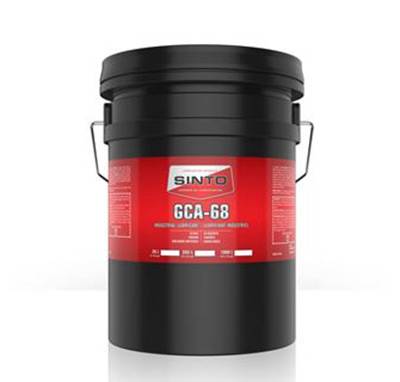
v block cost
Understanding V-Block Cost A Comprehensive Overview In the rapidly evolving landscape of technology
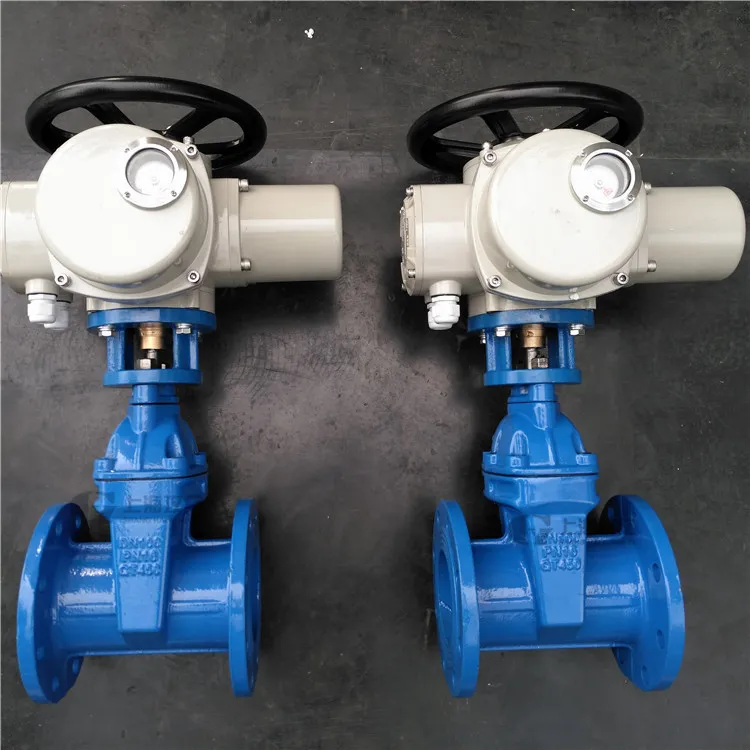
wood frame truss nail plate
Understanding Wood Frame Truss Nail Plates A Structural Perspective In the realm of modern construct
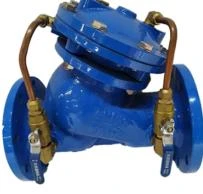
válvula de retenção do pistão
Válvula de Chegada com Pistão Um Componente Essencial na Indústria As válvulas de chegada, especialm
 English